A Smarter Business Case for Water Conditioning

Scale is not just a technical inconvenience. It is a cost problem that compounds silently across energy bills, maintenance schedules, equipment replacements, and unplanned downtime. Most conventional treatments manage the symptoms with chemicals, salt, and consumables that add recurring cost, handling complexity, and wastewater risk.

PV WCS addresses the problem differently. By physically changing the behaviour of dissolved minerals, it reduces the formation and adhesion of scale without removing minerals from water, without chemicals, and without salt.

This page sets out the business and operational case for choosing PV WCS: lower energy loss from scale insulation, fewer shutdowns, extended equipment life, and the elimination of recurring chemical and consumable costs.

5yr Product Warranty
Zero Chemicals or Salt
Zero Consumables Required
Business Benefits

Benefits That Reach the Bottom Line

Scale damage is often invisible until efficiency and productivity have already been affected. By the time a facility team identifies the problem, energy consumption is higher than it should be, a maintenance shutdown is overdue, or a critical piece of equipment is closer to failure than anyone realised. PV WCS is designed to interrupt that cycle at the source.

Reduced Energy Consumption

Scale acts as an insulating layer on heat-transfer surfaces. As deposits build inside boilers, heat exchangers, and cooling systems, more energy is required to achieve the same output. By reducing scale formation and adhesion, PV WCS helps restore and sustain heat-transfer efficiency, reducing the energy overhead that scale silently adds to every operating cycle.
Fewer Unplanned Shutdowns

Descaling interventions, emergency maintenance, and unexpected equipment failures create production downtime that is difficult to schedule around and costly to absorb. With scale formation reduced, maintenance requirements become more predictable, and the frequency of reactive interventions decreases.

Extended Equipment Life

Scale-related corrosion, overheating, and mechanical stress shorten the working life of boilers, heat exchangers, pipelines, and HVAC systems. Reducing scale adhesion removes a significant source of that degradation, which means existing equipment assets last longer and capital replacement cycles extend.

Elimination of Chemical Procurement and Handling Costs

Chemical water treatment involves recurring purchase costs, supplier management, storage requirements, handling protocols, and disposal or wastewater considerations. PV WCS requires no chemicals and no salt, removing that entire cost and compliance layer from operations.

Minimal Maintenance Requirement

PV WCS is a physical system with no consumables to replenish and no chemical dosing to monitor. Once installed and assessed for the specific application, the ongoing maintenance burden is minimal compared with chemical or salt-based treatment programmes.

Integration with Existing Infrastructure

Subject to application assessment, PV WCS can be integrated into existing pipelines without requiring a full system replacement. That means the business case does not depend on capital expenditure at scale. Facilities can assess suitability for their specific configuration before committing.

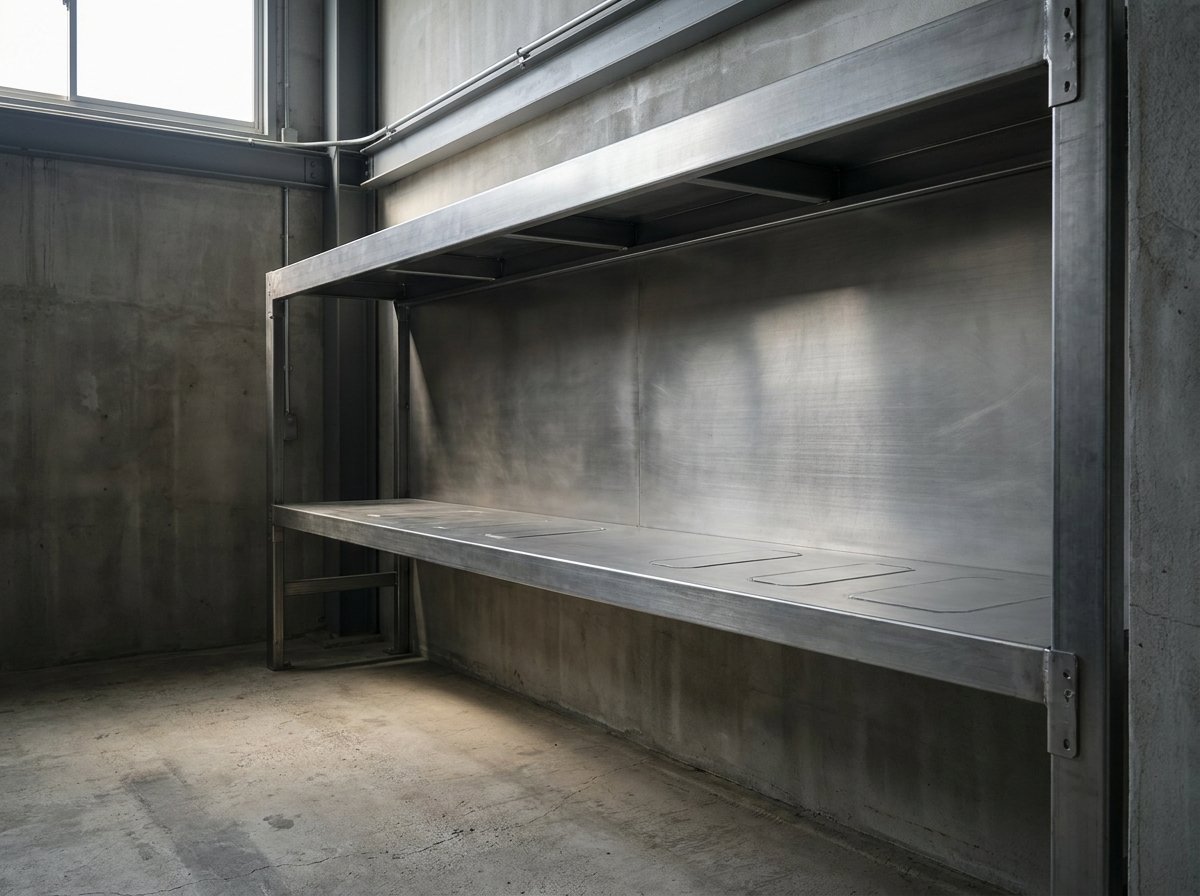
Empty industrial storage shelf representing the elimination of chemical and salt consumables in water treatment
No Consumables

No Consumables. No Recurring Treatment Overhead.

Every chemical or salt-based water treatment programme carries a cost that does not stop. Chemicals need to be purchased, stored, monitored, and replenished. Salt systems require regular top-ups. Treatment programmes require ongoing management to remain effective. These are not one-time costs. They are costs that recur every month, every quarter, every year, across the life of the system.

PV WCS operates on a fundamentally different model. There are no chemicals to buy. There is no salt to source or store. There is no treatment management overhead. The physical conditioning process works continuously without consumables, which means the operating cost profile is materially different from conventional treatment from the point of installation forward.

The no-consumables model is not a minor convenience. It is a structural difference in how treatment cost is carried over time.

  • Simplified supplier management for procurement teams
  • Monitoring and replenishment tasks removed from maintenance schedules
  • Cumulative overhead reduction significant across multi-site operations
  • No storage requirements or handling protocols for chemical stock
Warranty & Trust

Warranty Coverage and Technical Support Built for Industrial Confidence

Industrial procurement decisions carry real risk. Equipment underperforms, suppliers disappear, and support is unavailable when it is needed most. Choosing a water conditioning system requires confidence not just in the technology but in the organisation standing behind it.

  • 5-Year Product Warranty

    A straightforward commitment to product performance over a meaningful operating period. For procurement teams evaluating total cost of ownership, five years of warranty coverage is a factor that belongs in the calculation.

  • ISO Certification

    ISO certification is in place. Specific standard and certification number are subject to confirmation and approval by Procon before publication. Details will be updated once that approval is complete.

  • Expert Technical Support

    Available throughout assessment, installation, and operational phases. Support extends into the working life of the system — not limited to the sale — which matters when facilities teams encounter application-specific questions.

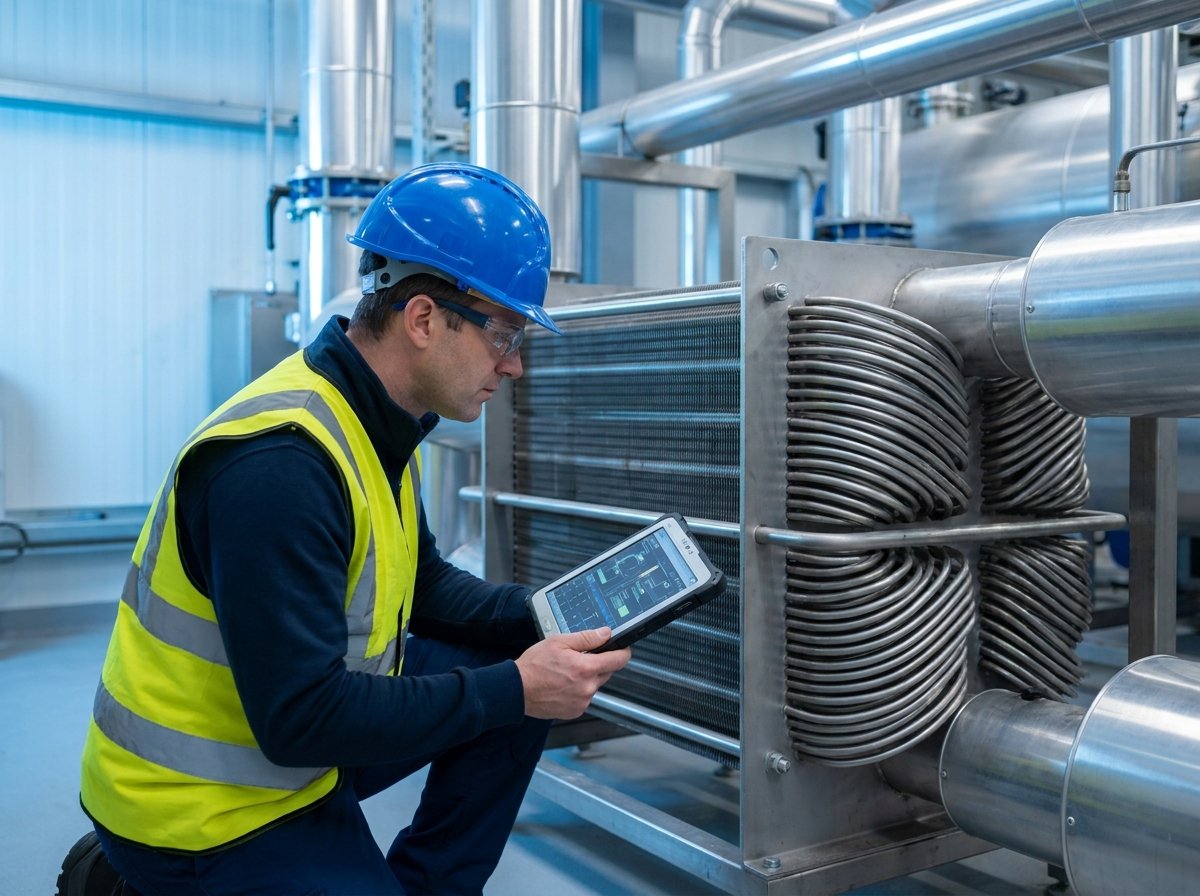
Industrial engineer inspecting heat exchanger equipment with a tablet, representing expert technical support and warranty assurance
Sustainability

A Physical Approach That Supports Sustainable Operations

Sustainability in industrial water management is increasingly a procurement requirement, not just a communications aspiration. Facilities are under pressure to reduce chemical use, manage discharge responsibly, and demonstrate operational practices that align with environmental commitments.

PV WCS is chemical-free. It uses no salt. The physical conditioning process does not introduce treatment chemicals into the water system, and it does not generate chemically treated discharge as a byproduct of operation.

It is important to be precise here. The specific sustainability outcomes achievable through PV WCS depend on the application, the configuration, and the facility context. Procon does not make blanket environmental claims ahead of application-specific evidence.

For operations and procurement teams building a case for sustainable water management, PV WCS offers a physical approach grounded in technical integrity rather than marketing assertion.

  • Chemical-Free Operation

    No treatment chemicals are introduced into the water system at any point in the conditioning process.

  • No Salt Discharge

    Salt-free process means no salt-laden discharge is generated as a byproduct of conditioning.

  • Reduced Chemical Procurement Risk

    Eliminating chemical procurement removes a category of environmental and regulatory risk that conventional treatment carries as a structural feature.

  • Technical Integrity Over Marketing Claims

    Specific outcomes depend on application and configuration. Procon states only what can be substantiated for the specific facility context.

Industrial References

Industrial Application References

PV WCS has been applied across industrial and commercial water systems. Application references, including customer names, project details, and quantified results, are available on request for qualified procurement and engineering enquiries.

All references shared through this site are verified and approved by Procon before publication. If you are evaluating PV WCS for a specific application and would like to understand how the system has performed in comparable operating environments, please contact us directly.

  • Verified Customer References
    Approved by Procon before publication
  • Quantified Application Results
    Real performance data from comparable operating environments
  • Project Details on Request
    Available to qualified procurement and engineering enquiries
  • Technical Consultation Available
    Procon's team will connect you with relevant reference information
Take the Next Step

Ready to Build the Case for Your Facility?

If scale-related energy loss, maintenance cost, or chemical treatment overhead is a live concern in your facility, a free technical consultation is the practical first step. Procon's technical team will assess your application, clarify what PV WCS can and cannot do in your specific context, and give you the information you need to make a grounded decision. No obligation, no commitment required before you have the full picture.

Or reach us directly at marketing@pvwaterconditioning.com

Get in Touch

Request a free technical consultation, ask a question about PV WCS, or request reference information. Procon's team responds directly.