Applications & Industries

Scale Is an Industrial Problem.
PV WCS Is an Industrial Answer.

Hard water scale does not discriminate by sector. It builds inside boilers in power plants, clogs heat exchangers on manufacturing floors, restricts pipelines in hospitals, and quietly degrades HVAC performance in commercial buildings. In every case, the consequences follow the same pattern: rising energy consumption, unplanned downtime, shortened equipment life, and recurring maintenance costs.

Industries Served

Where Scale Is Already Costing You

PV WCS is built for any industrial or commercial setting where hard water contacts equipment, pipelines, or heating and cooling systems. The scale challenge takes different forms across sectors — but the underlying cause, and the physical conditioning approach to addressing it, remains consistent.

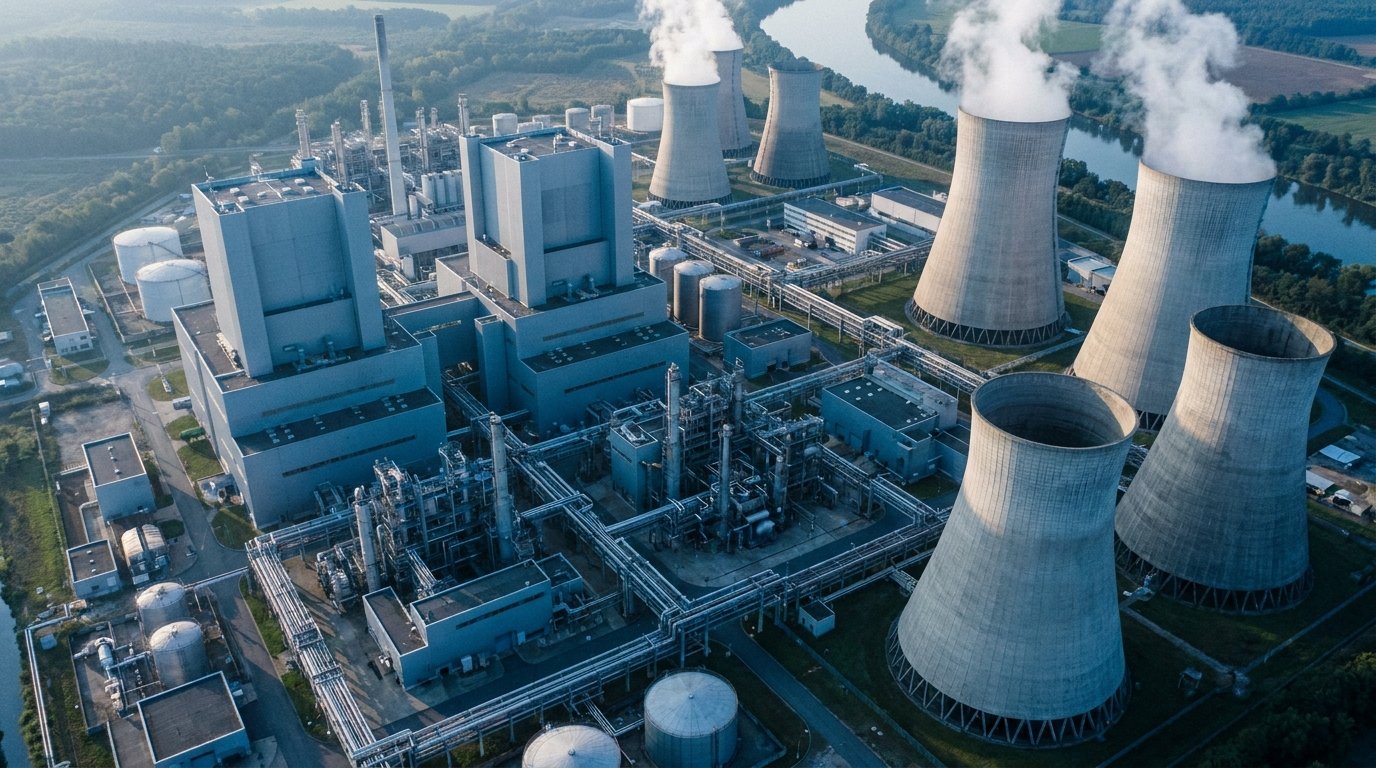
Aerial view of an industrial facility complex with cooling towers and processing buildings

Proven Across 13 Sectors

Manufacturing

Production lines depend on heat exchangers, boilers, and cooling circuits operating at full capacity. Scale deposits reduce heat-transfer efficiency and force shutdowns for descaling — interrupting output and delaying deliveries. PV WCS helps maintain system performance between planned maintenance intervals.

Steel & Heavy Industry

High-temperature, high-pressure water systems in steel production are particularly vulnerable to scale-related overheating and mechanical stress. Equipment failures carry significant downtime and safety implications. Physical conditioning reduces scale adhesion without introducing chemicals into sensitive process water.

Automotive

Automotive manufacturing facilities rely on cooling towers, heat exchangers, and process water systems running continuously. Scale accumulation in these circuits increases energy draw and creates unpredictable maintenance demands that interfere with production schedules.

Food Processing

Scale formation in food processing equipment creates both an efficiency problem and a hygiene risk. Chemical water treatment in food-contact environments introduces compliance and handling considerations. PV WCS is a chemical-free approach that addresses scale without adding treatment agents to the water.

Pharmaceutical

Pharmaceutical manufacturing requires precise control of process conditions. Scale inside heat exchangers or pipelines introduces variability in temperature and flow that can affect process integrity. Chemical-free physical conditioning aligns with the controlled, documentation-driven environment pharmaceutical operations require.

Textile

Textile production uses significant volumes of heated water, and scale in boilers and heat exchangers directly increases energy consumption per unit of output. Frequent descaling interventions add to operational cost and take equipment offline. PV WCS supports more consistent system performance over time.

Power Plants

In power generation, heat-transfer efficiency is directly tied to output efficiency. Scale acting as insulation inside boilers and heat exchangers forces systems to consume more energy to deliver the same output. Reducing scale adhesion supports the operating efficiency that power plants are designed to maintain.

HVAC Systems

Heating, ventilation, and air conditioning systems in large facilities are among the most scale-susceptible environments in commercial operations. Chiller units, cooling towers, and pipework all face mineral deposit build-up over time. PV WCS is applicable to HVAC circuits and supports system performance that building comfort and energy budgets depend on.

Commercial Buildings

Facility managers in commercial buildings manage water systems across heating, cooling, and domestic hot water — often without dedicated engineering teams. Scale damage is frequently invisible until efficiency has already fallen. A low-maintenance, chemical-free conditioning approach reduces the management burden without sacrificing performance.

Hospitals & Healthcare

Healthcare facilities cannot afford unexpected equipment failures or unplanned downtime in water-dependent systems. Chemical treatment in healthcare environments carries handling and disposal considerations. PV WCS offers a physically-based alternative that requires no chemical consumables and minimal ongoing maintenance.

Hospitality

Hotels rely on consistent hot water delivery, functional HVAC, and high-throughput kitchen equipment — all vulnerable to scale. Guest experience and operational cost are both affected when equipment underperforms. Physical water conditioning reduces the frequency of scale-related service calls and equipment interventions.

Educational Institutions

Schools, colleges, and universities manage large building portfolios with centralised heating and water systems. Scale in boilers and pipelines increases energy costs and maintenance demands across the estate. PV WCS supports more consistent system operation with minimal ongoing attention required.

Residential Complexes

Large residential developments with centralised water infrastructure face the same scale challenges as commercial facilities — at scale. Boilers, heat exchangers, and distribution pipework are all affected. Physical conditioning is applicable to centralised systems serving multiple units, reducing energy waste and maintenance frequency across the development.

Equipment Types

Where Scale Causes the Most Damage

Scale does not form evenly or at random. It concentrates where water is heated, pressurised, or forced through narrow passages — precisely where industrial and commercial systems are most sensitive to performance loss. PV WCS is applicable across the equipment types where scale risk is highest.

Industrial boiler heat transfer pipes and surfaces in close detail
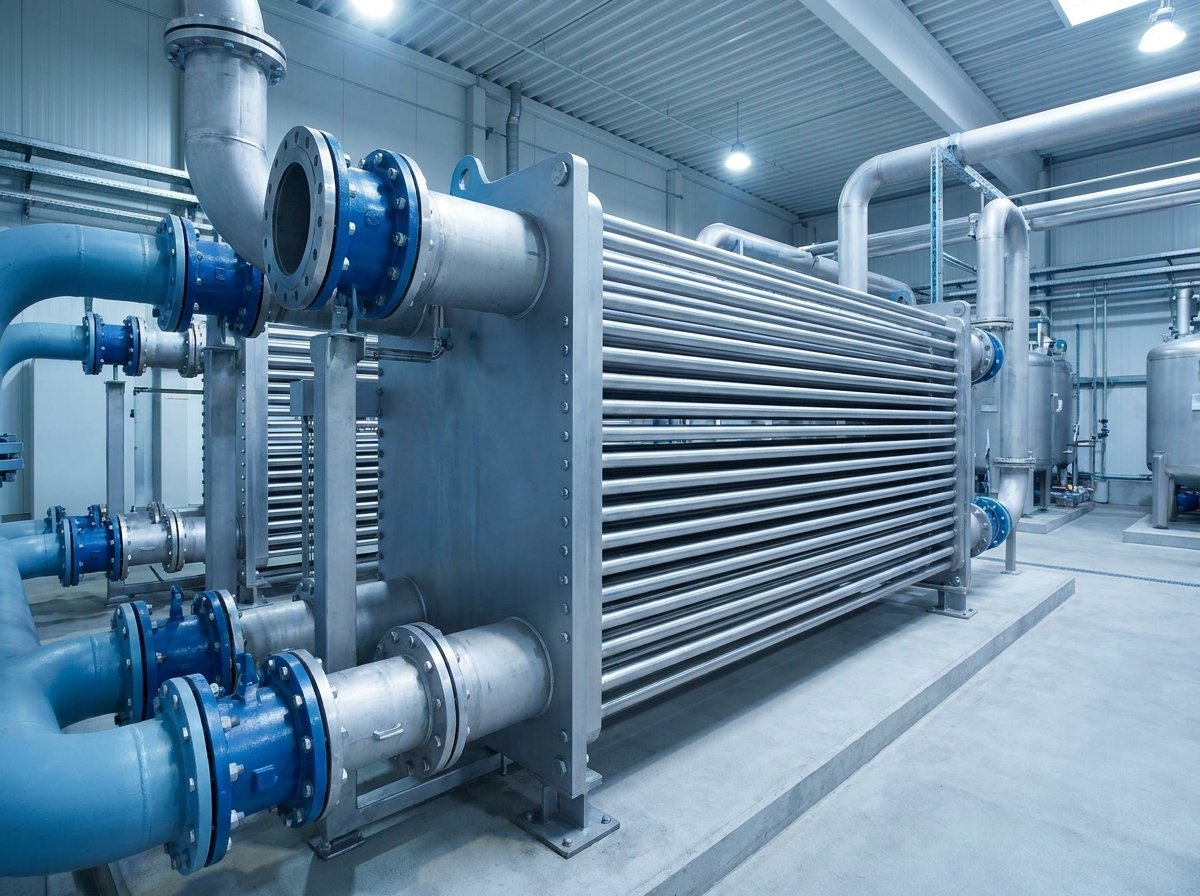
Industrial heat exchanger with parallel tube arrays and flanged pipe connections
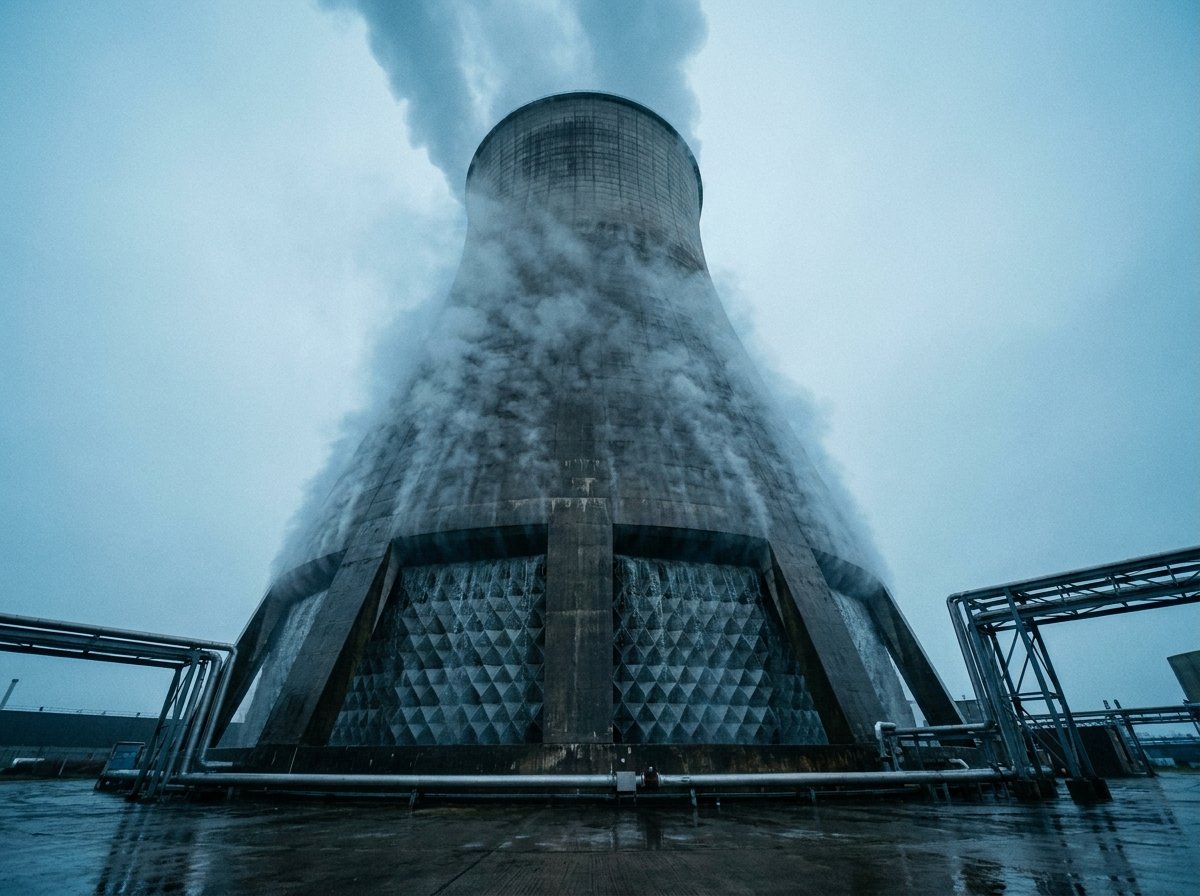
Large industrial cooling tower with water vapour rising against overcast sky

Boilers

Boilers operate under heat and pressure, making them one of the most scale-prone assets in any facility. Scale deposits on heat-transfer surfaces act as insulation, forcing the burner to work harder to deliver the same output. Over time, this increases fuel consumption, raises operating temperatures beyond design limits, and creates conditions that accelerate equipment degradation. PV WCS works to reduce scale adhesion within the boiler circuit, supporting more stable thermal performance.

Heat Exchangers

Heat exchangers depend on direct contact between water and a transfer surface to move thermal energy efficiently. Even a thin layer of scale on that surface significantly reduces the rate of heat transfer, meaning the system must compensate by increasing energy input. In process-critical applications, this also introduces variability in output temperatures. Physical conditioning reduces the tendency of dissolved minerals to form adherent deposits on exchange surfaces.

Cooling Towers

Cooling towers recirculate water continuously, concentrating dissolved minerals with each cycle. This makes them particularly prone to aggressive scale formation on fill media, pipework, and distribution components. Scale in a cooling tower reduces its cooling capacity and, left unaddressed, can lead to structural damage to tower components. PV WCS is applicable to cooling tower circuits as part of a broader approach to mineral management without chemical dosing.

Pipelines and Distribution Systems

Mineral deposits in pipelines reduce internal bore diameter over time, restricting flow and increasing the pressure required to maintain delivery rates. In complex distribution systems, partial blockages also create uneven flow conditions that affect downstream equipment performance. The problem is often invisible until flow rates fall noticeably or pressure differentials become measurable. Physical conditioning changes the crystalline behaviour of minerals in suspension, reducing their tendency to adhere to pipe walls.

HVAC Systems

HVAC systems bring together pipework, heat exchange, and pumped circulation — all in an environment where scale can accumulate silently across a large number of components. Chiller efficiency, fan coil unit output, and the performance of the overall system are all affected by mineral deposits in the water circuit. PV WCS is applicable to HVAC water circuits and is designed to integrate into existing pipework, subject to application assessment.

Engineer reviewing industrial water system technical schematics during a consultation

Free Application Assessment

Is PV WCS Right for Your Application? Find Out.

Not every water system is the same, and PV WCS is not a one-size-fits-all installation. Integration into an existing pipeline or system is subject to an application-specific assessment — carried out by Procon Ventures' technical team — to confirm suitability, system configuration, and expected outcomes for your particular setup.

The assessment is free of charge. It gives you a clear, technically grounded view of whether PV WCS is the right fit for your facility and equipment, without any obligation to proceed. Our team provides expert technical support throughout, from initial assessment through to installation guidance and beyond.

PV WCS carries a 5-Year Product Warranty and requires minimal ongoing maintenance once installed. There are no chemical or salt consumables to manage. If you manage water-dependent equipment and scale is a cost, a risk, or a recurring problem, the assessment is the logical first step.

Free. No obligation. 5-Year Product Warranty No chemical consumables
Request Your Free Application Assessment

Get Started

Ready to Talk About Your Sector and Your System?

Our technical team works with industrial and commercial buyers to understand specific scale challenges, assess system suitability, and recommend the right configuration of PV WCS for the application. Whether you want to start with a free assessment or see the product demonstrated, the next step is straightforward.

Get in Touch

Start with a Free Assessment

Tell us about your facility and your water system. Our technical team will come back to you with a clear assessment of how PV WCS applies to your specific situation.

marketing@pvwaterconditioning.com